Business Plan
Achievable Business Objectives, Actionable Business Goals, Business Goal Tracking, Business Goals Work, Business Growth Targets, Business Milestone Planning, Business Performance Goals, Business Planning Objectives, Business Planning Success, Business Productivity Goals, Company Goals That Work, Data-Driven Business Goals, Effective Goal Strategies, Entrepreneur Goal Mapping, Financial Goals in Business, Goal Alignment in Business, Goal Setting for Success, High-Impact Business Goals, Leadership and Goal Execution, Long-Term Business Planning, Measurable Business Goals, Operational Goal Setting, Organizational Goal Strategy, Realistic Business Targets, Results-Oriented Business Goals, SMART Business Goals, Strategic Business Goals, Team-Based Business Goals, Vision to Goal Framework
ftremblay
0 Comments
Business Plan Goals That Work
Business Plan Goals That Work setting business goals is more than a strategic formality—it’s the compass guiding every decision, the engine powering performance, and the foundation of measurable success. However, not all goals are created equal. Some drive action. Others collect dust. The difference lies in how those goals are crafted and executed. Welcome to a blueprint for business goals work—a guide that transforms intentions into impactful outcomes.
A business plan that works doesn’t just outline financials or operations. It incorporates goal-setting that’s grounded, adaptive, and aligned with both vision and reality. With the right approach, your goals don’t just exist—they deliver.
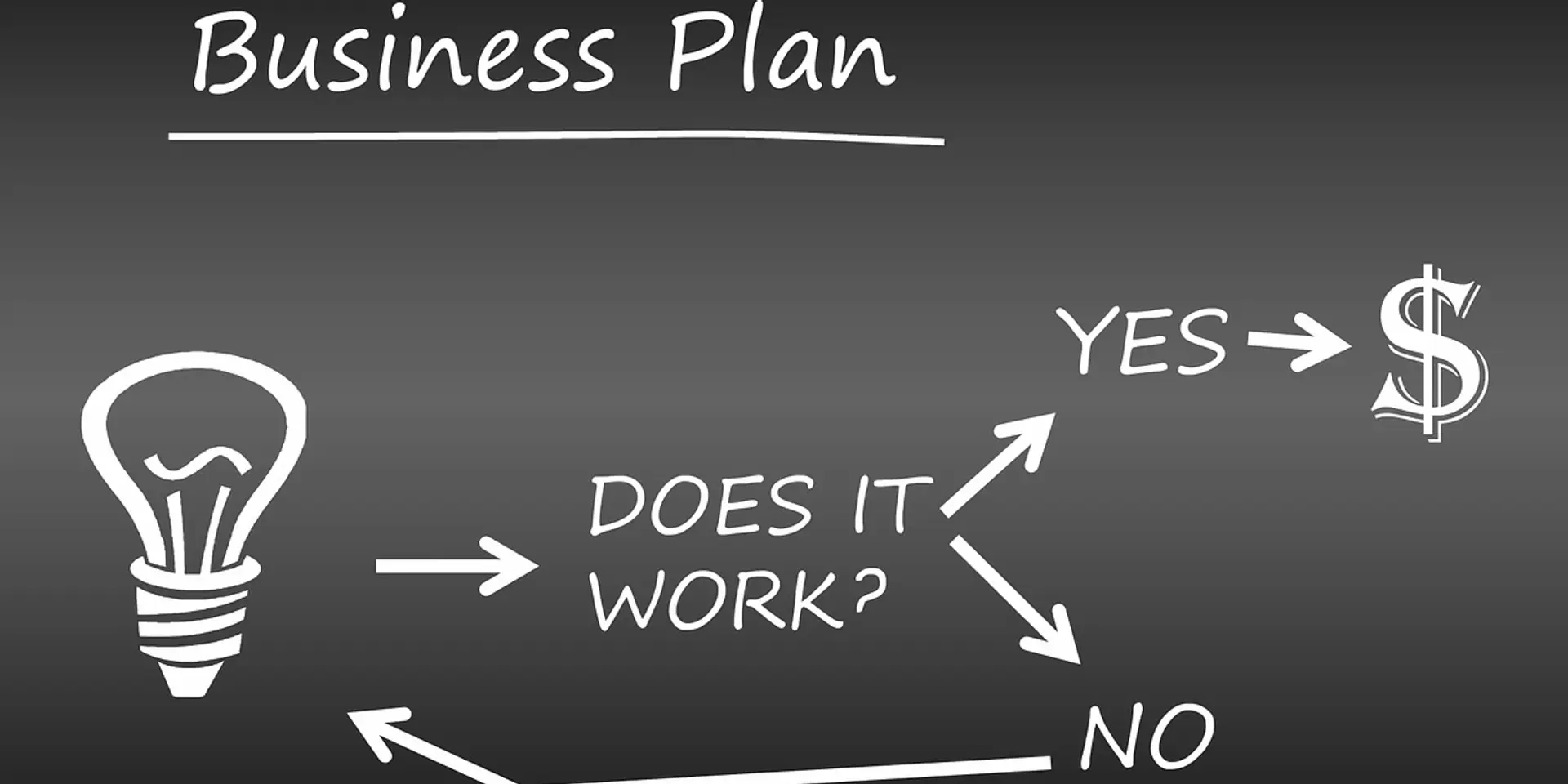
Understanding the Role of Goals in Business Planning
At its core, a business plan is about direction. But without clear goals, direction becomes vague. Goals crystallize your mission into milestones. They make your vision tangible, trackable, and actionable.
Incorporating business goals work into your plan means:
- Defining what success looks like
- Aligning teams across departments
- Setting benchmarks for growth
- Guiding daily, monthly, and quarterly decisions
- Providing a foundation for performance evaluations
- Making funding requests credible with data-driven targets
Effective goals are not passive; they actively shape the future of your enterprise.
Characteristics of Goals That Actually Work
What separates a powerful goal from a generic one? It’s a blend of clarity, realism, and strategic alignment.
Here’s what makes business goals work:
- Specificity: Clearly articulated, avoiding vague phrases like “grow revenue.” Instead, say, “Increase monthly recurring revenue (MRR) by 15% within six months.”
- Measurability: Goals must be quantified. If it can’t be measured, it can’t be managed.
- Achievability: Ambitious but attainable. Stretch goals are fine, but pipe dreams can demoralize teams.
- Relevance: Goals should support your broader mission. They’re not side quests—they’re central.
- Time-bound: Attach a deadline. Urgency fuels momentum.
These characteristics form the well-known SMART goal framework—but with real substance behind each component, not just buzzwords.
Categorizing Goals by Function
Not all goals serve the same purpose. They must be layered across the organization to deliver cohesive progress. Here are four categories where business goals work seamlessly.
1. Strategic Goals
These are your high-level, long-term aims. They represent the big picture—where you want the company to be in 3, 5, or 10 years.
Examples:
- Achieve market leadership in Southeast Asia within five years
- Transition to a fully subscription-based model by 2027
- Become carbon-neutral across all operations by 2030
Strategic goals provide a North Star. They’re often ambitious, visionary, and deeply rooted in your mission.
2. Operational Goals
These are mid-level goals that keep the business engine running. They translate strategy into departmental action.
Examples:
- Reduce production cycle time by 20% in Q3
- Migrate to a new CRM system by December
- Improve supplier response rate to 95% within six months
When business goals work operationally, every department feels purposeful and aligned.
3. Financial Goals
Money matters. These goals monitor and steer profitability, cash flow, and cost efficiency.
Examples:
- Increase gross profit margin from 45% to 50% in 12 months
- Secure $1M in Series A funding by Q2
- Reduce customer acquisition cost (CAC) by 10% through organic channels
Financial goals provide clarity and accountability for sustainability and scale.
4. Growth and Development Goals
These are people- and culture-focused. Businesses succeed when their teams grow, not just their revenues.
Examples:
- Launch leadership training for all managers by end of Q1
- Improve employee retention from 78% to 90% within 18 months
- Increase diversity in hiring by 30% over the next year
If you want your company to thrive, invest in human capital as aggressively as you do in product innovation.
Aligning Goals With Your Business Stage
What works for a pre-seed startup won’t suit a mature company with global operations. Goals should be tailored to where you are in your growth journey.
For Startups
Focus on validation and market fit.
- Acquire 500 users in the first 6 months
- Achieve $10K monthly revenue by month 8
- Finalize MVP and soft-launch by Q2
Startups must make every action count, and that means defining goals that reflect agility and learning.
For Scaling Businesses
Think about infrastructure and sustainability.
- Open two new regional offices within 12 months
- Double active user base without increasing churn
- Implement scalable backend systems for future growth
At this stage, business goals work best when they reinforce structure without sacrificing innovation.
For Established Enterprises
Now it’s about optimization, innovation, and legacy.
- Launch R&D division to drive next-gen product development
- Achieve ISO certification across all departments by 2026
- Establish philanthropic foundation by 2027
The goals of legacy-stage businesses should be inspiring, cross-functional, and focused on enduring value.
Making Goals Visible and Trackable
The most common reason goals fail is that they’re forgotten. Out of sight, out of mind. Embedding goals into daily operations is essential.
Use Goal-Setting Frameworks
Options like OKRs (Objectives and Key Results) or KPIs (Key Performance Indicators) help you define and measure progress.
Example:
Objective: Improve user engagement
Key Results:
- Increase session duration by 30%
- Decrease bounce rate to under 40%
- Boost repeat visits by 20%
When business goals work through structured frameworks, they integrate into workflows and decision-making.
Tools for Goal Management
Technology helps teams stay accountable. Use:
- Asana or Trello for project-based goals
- Notion for documentation and visibility
- Monday.com or ClickUp for team OKRs
- Tableau or Power BI for real-time goal dashboards
Visibility fuels consistency. Goals should live where the team works.
Communication Is Everything
Share goals widely. Talk about them in standups, planning meetings, and performance reviews. Celebrate wins. Reflect on losses. Keep the goal narrative alive.
Adjusting Goals Without Abandoning Them
The market changes. Customers shift. Tech evolves. Sticking rigidly to outdated goals can cause more harm than good.
Here’s how to keep business goals work dynamic:
- Review quarterly: Are the goals still relevant?
- Recalibrate targets based on new data
- Don’t confuse failure to hit a number with failure to make progress
- Let qualitative insights inform quantitative revisions
Adapting doesn’t mean failure. It means awareness and flexibility—hallmarks of smart leadership.
Common Pitfalls and How to Avoid Them
Even well-intentioned businesses stumble. Avoid these traps:
- Vagueness: “We want to grow” is not a goal. It’s a wish.
- Overload: Too many goals dilute focus. Prioritize ruthlessly.
- No accountability: Assign owners to every goal.
- No timeline: Timeframes create pressure and clarity.
- Disconnected metrics: Ensure your KPIs actually reflect the goal’s purpose.
- Ignoring people: Goals that overlook team well-being backfire. Always balance pressure with support.
Awareness of these pitfalls helps ensure that your business goals work under real-world conditions.
Examples of Powerful Business Goals That Work
Let’s bring it all together with real-world examples of effective goal-setting across various business types.
SaaS Company
- Increase monthly recurring revenue (MRR) from $80K to $120K by year-end
- Launch in-app onboarding tutorial to reduce time-to-value by 30%
- Reach 40% of sign-ups through organic SEO traffic
E-commerce Brand
- Achieve 25% YoY growth through Instagram-driven sales
- Reduce cart abandonment rate from 60% to 45%
- Partner with three sustainable packaging vendors by Q4
Consulting Firm
- Double B2B client base in the healthcare sector by 2026
- Implement internal AI tools to cut admin time by 40%
- Deliver client satisfaction score above 90% across all engagements
Non-Profit Organization
- Secure $500K in grants over the next 12 months
- Grow volunteer network by 25%
- Launch youth mentorship program in 10 new cities by end of year
Creative Agency
- Complete 100+ brand projects in the year
- Increase average project value by 20%
- Win three design awards by next award cycle
These are not abstract hopes—they are clear, measurable targets. That’s what makes business goals work.
The Role of Culture in Goal Achievement
Goals don’t operate in a vacuum. They thrive (or fail) within the culture that surrounds them.
To foster a goal-driven culture:
- Promote transparency
- Encourage ownership and autonomy
- Recognize and reward effort
- Embrace learning from failure
- Keep egos in check—let the best ideas win
When culture supports execution, even the most ambitious goals feel achievable.