Business Plan
Actionable Business Strategy, Business Objective Setting, Business Plan Development, Business Plan Roadmap, Business Planning Techniques, Business Structure Planning, Business Success Blueprint, Competitive Analysis Plan, Data-Driven Strategy, Effective Plan Strategy, Entrepreneurial Strategy, Financial Planning Strategy, Funding Strategy Plan, Goal-Oriented Strategy, Innovation Strategy, Market Analysis Strategy, Operational Efficiency, Planning for Success, Risk Management Strategy, Sales And Marketing Plan, Scalable Business Model, Smart Business Planning, Startup Plan Framework, Strategic Business Growth, Strategic Implementation, Sustainable Growth Plan, Team Building Strategy, Timeline Planning, Vision To Execution
ftremblay
0 Comments
Business Plan Strategy That Works
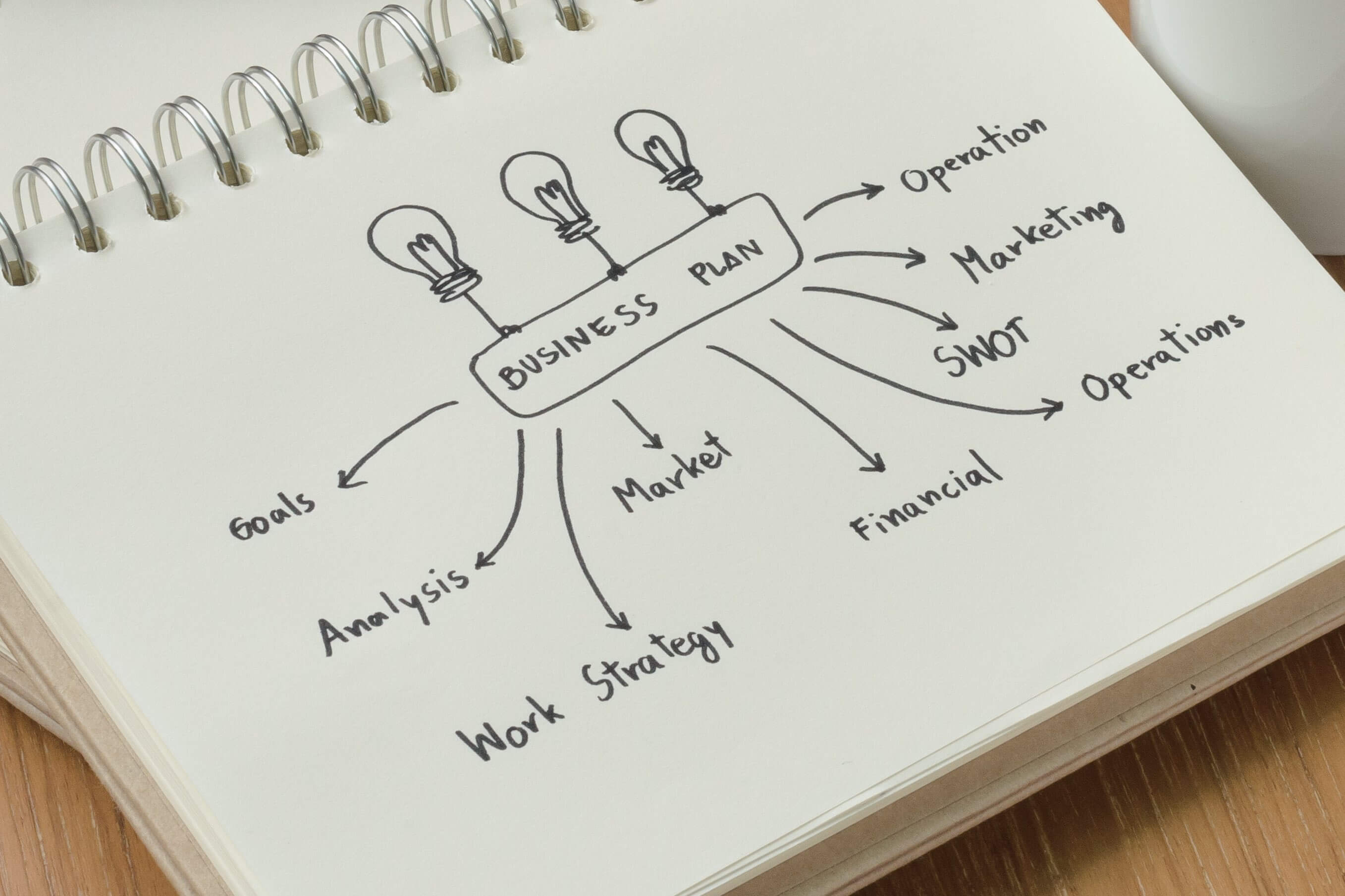
Business Plan Strategy That Works in a world teeming with startups, entrepreneurs, and visionaries, the ability to craft a bold, adaptable, and results-driven business plan can make or break your venture. The marketplace is crowded, competitive, and constantly evolving—but with an effective plan strategy and a business plan strategy that works, your vision transforms from an idea into a thriving reality.
Gone are the days of dusty 50-page documents shelved in office drawers. Today’s winning strategy hinges on clarity, agility, and precision. Every section must pulse with purpose. Every assumption must be measured. And every outcome must be anchored in reality. Let’s unpack the framework that empowers leaders to turn ambition into a strategic roadmap—and revenue.
Vision First: What Do You See?
Before mapping out operations, sales targets, or funding, you must start with vision. It’s more than a mission statement—it’s your business’s essence. What change will your business bring to the world? Why should anyone care?
An effective plan strategy begins with this introspective clarity. Entrepreneurs who skip this step often find themselves building in the wrong direction. Start with answers to:
- What do we stand for?
- Who do we serve?
- What problem are we solving?
This foundational compass ensures all subsequent planning aligns with long-term objectives.
Market Analysis: Knowledge is Power
In business, intuition is helpful. But data is divine. An effective plan strategy dives deep into market landscapes to uncover key insights:
- Who are your competitors?
- What’s the size of your target market?
- Are there emerging trends or shifting consumer behaviors?
Use tools like SWOT analysis, PESTEL frameworks, and customer segmentation. These reveal not just where you can compete—but where you can win. Investors and stakeholders want to see that you understand your domain with surgical precision.
Don’t forget to explore:
- Buyer personas: Detail your ideal customer with lifestyle attributes, income range, and buying habits.
- Market gaps: What’s missing in your industry that your business provides?
- Competitive analysis: Outline where rivals fall short—and how you’ll differentiate.
Clear Objectives: The Heartbeat of Success
It’s easy to drown in ideas. But without specific objectives, even brilliant businesses drift aimlessly. Set SMART goals—Specific, Measurable, Achievable, Relevant, and Time-bound. A truly effective plan strategy links every business action to a tangible outcome.
For example:
- Increase website traffic by 50% in six months through organic SEO.
- Acquire 1,000 new customers in the first quarter via targeted Facebook Ads.
- Reduce churn by 25% by Q2 through customer success initiatives.
These aren’t just numbers—they’re a north star. Objectives must be prioritized, reviewed, and refined constantly. Flexibility paired with discipline breeds momentum.
Financial Blueprint: More Than Just Math
Let’s talk money—because without financial planning, your business plan is just a wish list.
Your financial section should illustrate:
- Revenue projections
- Cost of goods sold (COGS)
- Break-even analysis
- Cash flow forecasts
- Funding requirements
- Use of funds
But don’t stop at projections. A rock-solid effective plan strategy explains why these numbers are realistic. Back them up with market research, comparable industry benchmarks, or previous performance data.
A great financial blueprint doesn’t just please investors—it builds trust in your ability to steward capital wisely.
Operational Plan: Systems That Scale
Ideas scale only when systems support them. Your operational plan is where strategy meets execution.
This section should cover:
- Business structure (LLC, Corp, etc.)
- Team composition and roles
- Supply chain logistics
- Product development cycles
- Location, facilities, and technology stack
A scalable effective plan strategy ensures that operations don’t collapse under growth. For instance, if demand triples next year, can your production scale? Will your customer support adapt?
This is where contingency planning comes in handy. Identify possible bottlenecks before they occur and prepare solutions in advance.
Marketing & Sales Strategy: Your Voice in the Noise
A fantastic product means little if no one knows about it. Your marketing and sales strategy is your loudspeaker. It answers: How will people discover us? And why will they choose us over others?
Break this section into two powerful engines:
Marketing:
- Branding strategy: colors, logo, tone of voice
- Online presence: website, SEO, content marketing
- Social media and influencer collaborations
- Paid ads: Facebook, Google, LinkedIn, etc.
- PR and media outreach
- Email marketing and lead nurturing
Sales:
- Funnel structure: awareness, consideration, conversion
- Lead qualification criteria
- Outreach tactics: cold emails, webinars, demos
- Sales team roles and KPIs
- Post-sale engagement and upselling techniques
A meticulously outlined marketing and sales game plan is a cornerstone of any effective plan strategy. Your message must reach the right people at the right time—with the right promise.
Innovation: Future-Proofing Your Plan
Markets evolve. Technology shifts. Consumer preferences change. A business plan strategy that works isn’t static—it evolves.
Include a section on:
- Continuous R&D efforts
- Feedback loops from users
- Beta testing and product iteration
- Competitive benchmarking
Be proactive, not reactive. Embed innovation into your company DNA. Highlight how you will keep learning, adapting, and disrupting—even as you scale.
Companies like Apple and Tesla didn’t succeed solely because of their initial products. They thrived because their strategies anticipated change—and embraced it.
Risk Management: Shielding Your Vision
Every strategy carries risk. An effective plan strategy confronts those risks head-on. This builds confidence in your business acumen.
Map out:
- Operational risks (supply chain, technology failures)
- Market risks (economic downturns, new competitors)
- Financial risks (funding delays, unexpected expenses)
- Legal and compliance risks
For each risk, outline:
- Likelihood
- Impact
- Mitigation plan
This level of transparency sets your plan apart. It shows foresight and responsibility—traits that attract investors, partners, and team members.
Team Dynamics: Who’s at the Helm?
People power plans. A winning business needs a winning team. Introduce your leadership lineup, advisors, and collaborators.
For each member:
- Highlight relevant experience
- Showcase past achievements
- Explain their unique contribution
If you’re still recruiting, be honest—but describe the role profiles and your strategy for attracting top talent.
Remember, behind every effective plan strategy is a group of people who believe. Your plan should radiate that belief.
Milestones & Timeline: From Vision to Victory
Time is money—and a timeline turns theory into practice.
Create a 12 to 24-month timeline featuring:
- Key project launches
- Funding rounds
- Hiring phases
- Marketing campaigns
- Product rollouts
Use Gantt charts or visual roadmaps to add clarity. Investors want to know: “When will this happen? And how will we measure success?”
A strategic timeline aligns your team and makes your ambitions feel tangible. It also serves as an accountability tool when tracking progress.
Funding Strategy: Powering Your Launch
Even with lean methodologies, capital is often essential. A persuasive funding section lays out:
- How much funding is required
- What the funds will be used for
- Preferred investment type (equity, debt, convertible note)
- Exit strategy for investors
Link this to your financial projections and operational needs. Show how the funds directly fuel growth—and how investors will benefit.
A well-crafted funding narrative is often what elevates a good plan into an effective plan strategy that secures the check.
Legal & Compliance: Build with Integrity
Don’t overlook the legal side. Regulations, licenses, and policies ensure long-term stability. Include:
- Intellectual property (trademarks, patents, copyrights)
- Required licenses or permits
- Industry-specific compliance (GDPR, HIPAA, PCI-DSS, etc.)
- Internal policies (data protection, employee contracts)
By addressing this upfront, you reduce liability and demonstrate your commitment to ethical growth.
Sustainability & Social Impact: Build Beyond Profits
Today’s consumers and investors are purpose-driven. They expect more than just revenue—they want responsible businesses that contribute to society.
Include:
- Environmental sustainability goals
- DEI (Diversity, Equity, Inclusion) initiatives
- Community engagement plans
This isn’t fluff. It’s part of an effective plan strategy that speaks to the values of modern customers, especially Gen Z and Millennials.
Reviewing & Updating: The Living Document
The best business plans evolve. Set regular review intervals:
- Monthly for metrics and financials
- Quarterly for strategy and objectives
- Annually for a full-scale revision
Create dashboards or use project management tools like Trello, Asana, or Notion to keep your team aligned and agile.
A rigid plan is a dead plan. Make yours a living, breathing entity that grows with your business.
Final Thoughts
A business plan strategy that works isn’t about perfection—it’s about direction, resilience, and execution. It fuses vision with practicality, ambition with strategy, and passion with planning.
Every entrepreneur has a spark. But only those who channel that spark through an effective plan strategy ignite real success.
Ready to start yours?
Draw the roadmap. Align the team. Secure the funding. Execute with precision. Then, revisit, revise, and rise.
Because in the end, strategy isn’t just preparation—it’s power.